
Shop Premium Ammunition For Sale – In Stock & Ready To Ship
Looking for the perfect rounds to keep your shooting sessions smooth and worry-free? Ammunition for .50 Cal Ammo for Sale sale comes in a wide range of calibers and loads, each designed to feed reliably and deliver consistent accuracy right out of the box. Whether you’re stocking up for target practice or personal defense, buying quality rounds ensures your firearm cycles cleanly and performs exactly when you need it. Just match the cartridge to your gun’s specs, store it in a cool, dry place, and you’re ready for a great day at the range or peace of mind at home.
Finding the Right Cartridge: A First-Timer’s Guide to Buying Bullets
When you scan ammunition for sale, the sheer variety of calibers can specialty sports and supply overwhelm a new shooter. Your first step is matching the cartridge to your firearm’s stamped caliber—buying a .223 round for a .22LR barrel is a dangerous mismatch. Next, define your purpose: plinking favors cheaper, lighter loads, while hunting requires expanding bullet designs with sufficient energy. Ignore gimmicky packaging and confirm the bullet weight (grain) and velocity align with your rifle or pistol’s twist rate for accuracy. Finding the right cartridge means reading the box for these specs, not trusting a sales tag. Start with standard practice loads to learn your gun’s cycle, then experiment with a couple of premium brands from that same caliber pile. Always check the cartridge case length and rim type—rimmed versus rimless—before committing to a bulk purchase.
Decoding Box Labels: What Do All Those Numbers and Letters Mean?
The box label is your cheat sheet, and the first number you’ll see is the caliber—like 9mm or 6mm Remington Ammo for Sale .223 Remington—which must match your firearm’s barrel stamp. The next figure, often a grain weight (e.g., 115-gr), tells you the bullet’s mass, directly impacting recoil and trajectory. Then, decode the bullet type: a “JHP” means jacketed hollow point for expansion, while “FMJ” is full metal jacket for range practice. Finally, look for velocity in feet per second (fps) and a C.O.L. (cartridge overall length) on the fine print. Mastering these digits ensures you buy compatible, effective rounds. Ultimately, **decoding box labels** transforms confusing alphanumerics into a clear performance profile, preventing misfeeds and wasted money.
Common Calibers Explained: Which One Fits Your Firearm’s Purpose?
Choosing from the common calibers for sale starts with your firearm’s core job. For concealed carry, a compact 9mm offers manageable recoil and proven stopping power, while a .380 ACP suits ultra-small frames. Home defense often favors a 12-gauge shotgun or a 5.56 NATO rifle for reduced over-penetration. If you hunt deer, a .30-06 or .308 Win delivers ethical knockdown at range. Target shooters should lean on affordable .22 LR for practice or 6.5 Creedmoor for precision. Your caliber choice directly dictates effectiveness and cost per round, so match ballistics to your primary use, not hype.
- 9mm balances magazine capacity and control for defensive pistols.
- .223 Remington/5.56 maximizes velocity in AR-platform rifles.
- .308 Win bridges hunting power with long-range accuracy.
- Check barrel twist rate—it determines which bullet weight your firearm stabilizes.
Bullet Weights and Grain Counts: How They Affect Recoil and Accuracy
When browsing ammunition for sale, bullet weight, measured in grains, directly dictates the recoil you’ll feel and the trajectory you’ll manage. Lighter grains (e.g., 55gr) produce less perceived kick and flatter trajectories at shorter ranges, making them forgiving for initial accuracy work. Heavier grains (e.g., 77gr) deliver more recoil impulse but retain velocity downrange, improving wind-drift resistance and consistency at longer distances. Choosing the right grain count for your barrel twist rate is critical; a faster twist stabilizes longer heaver 9.3x62mm Mauser Ammo for Sale bullets, while a slower twist favors lighter ones, preventing keyholing. Match your grain to the intended distance—not just the price tag—because accuracy depends more on harmonic stability than raw powder charge.
Full Metal Jacket vs. Hollow Point: Choosing the Best Bullet Design for Your Needs
When you’re browsing ammunition for sale, the FMJ vs. hollow point choice really comes down to what you’re aiming at. Full metal jackets feed flawlessly and punch clean holes, making them perfect for cheap range practice and target work. Hollow points, though pricier, expand on impact, dumping energy into soft targets—ideal for self-defense where over-penetration is a real worry. Match the bullet to the job: FMJ for training, hollow points for protection. So, what if you only can afford one box? Then decide if you’re prepping for the range or the nightstand—that answer picks your round. For plinking, grab FMJs; for peace of mind, buy hollow points.
FMJ Rounds for Practice and Plinking: Benefits of Cost and Reliability
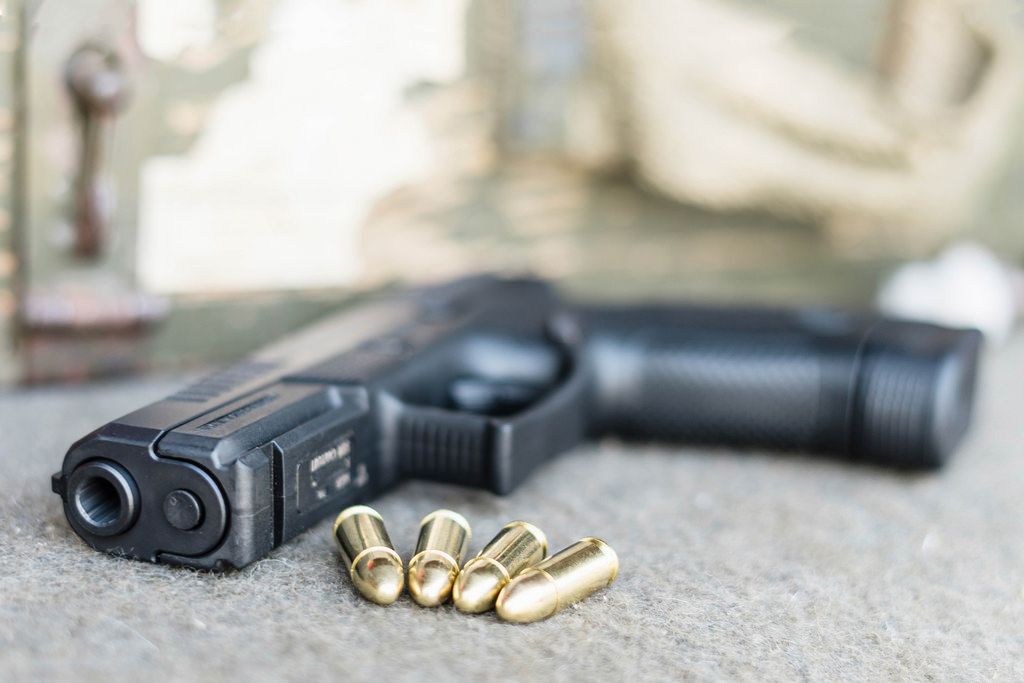
For practice and plinking, FMJ rounds are the undisputed value champion, offering superior cost-effectiveness for high-volume shooting. Their copper jacket over a lead core allows for reliable, consistent feeding in semi-automatic and manual actions alike, minimizing malfunctions that interrupt your range session. Because they are mass-produced for military and law enforcement contracts, the surplus supply keeps prices per round significantly lower than defensive hollow points. This price gap means you can fire twice the ammunition for the same budget, building muscle memory and trigger control faster. Furthermore, the jacket prevents lead fouling in your barrel, reducing cleaning frequency and extending component life. For pure, affordable trigger time without sacrificing function, FMJ is the practical, dependable choice. When stocking up for practice, prioritize FMJ for its proven feed reliability and budget-friendly bulk pricing.
- Compare price per round between FMJ and hollow points at your local retailer.
- Purchase FMJ in bulk cases to maximize per-round discounts.
- Run a few FMJ mags through your firearm to confirm flawless feeding before a long session.
Expanding Hollow Points for Self-Defense: Key Performance Features
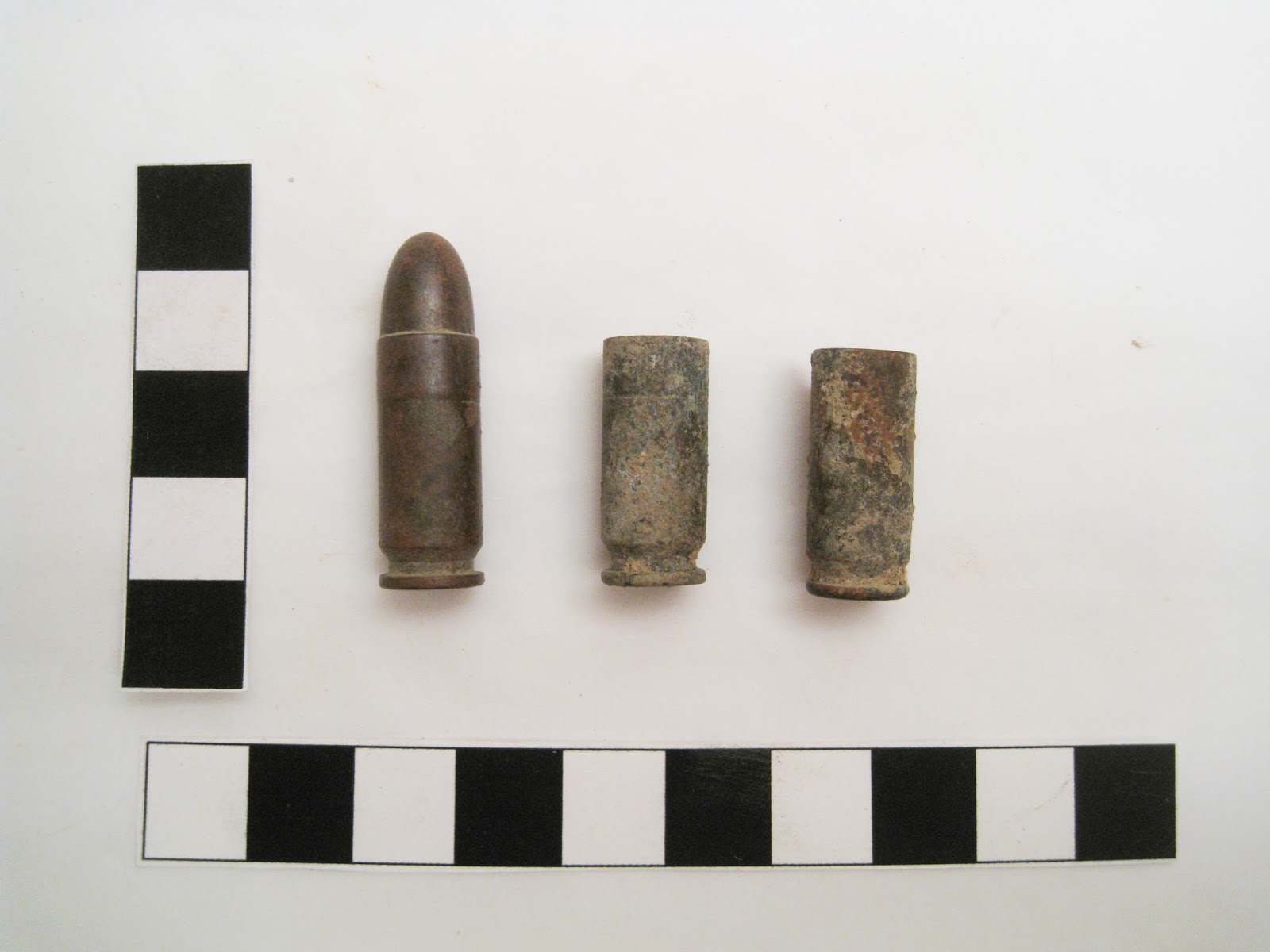
Expanding hollow points for self-defense prioritize terminal performance, with controlled expansion being the defining feature that maximizes stopping power. Upon impact, the engineered hollow cavity initiates rapid mushrooming, increasing the bullet’s diameter to transfer energy efficiently into soft tissue while reducing the risk of over-penetration. Key performance features include consistent 9×18 Makarov Ammo for Sale expansion across various barrier types—such as denim or light clothing—ensuring reliable function in real-world scenarios. Additionally, weight retention is critical; a high-quality hollow point retains over 85% of its original mass to maintain deep, permanent wound channels. Velocity thresholds also matter, as lower-speed loads must still expand fully, so select ammunition with tested performance from short-barreled carry pistols. This terminal ballistics focus directly addresses defensive effectiveness, making these rounds the practical choice for personal protection.

Soft Point and Other Specialty Tips: When to Pick a Specific Nose Type
When browsing ammunition for sale, soft point bullets expand reliably at moderate velocities, making them a solid choice for hunting thin-skinned game where controlled expansion and deep penetration matter more than barrier defeat. Unlike full metal jacket rounds, the exposed lead tip initiates expansion even through light brush, but it can deform in magazines under recoil. For tubular magazines, flat nose or round nose soft points prevent accidental primer strikes. Meanwhile, specialty tips like polymer-tipped boat tails (e.g., Nosler Ballistic Tip) offer flatter trajectories and explosive expansion for varmints, while bonded soft points retain weight for larger ungulates. Match hollow points suit target shooting, not hunting, due to fragile petals. Select based on your firing platform and intended tissue depth.
| Nose Type | Best Use | Key Trade-off |
|---|---|---|
| Soft Point | Deer, black bear | Fouling in feed ramps |
| Flat/Round Nose | Lever-action rifles | Lower ballistic coefficient |
| Polymer Tip | Long-range varmints | Over-expansion on heavy game |
Key Performance Factors: Velocity, Energy, and Accuracy in Loaded Rounds
When evaluating ammunition for sale, velocity directly dictates your bullet’s trajectory and drop at distance; faster rounds require less holdover, giving you a decisive 9mm Ammo for Sale edge in field conditions. Energy, measured in foot-pounds, determines terminal performance—sufficient energy ensures reliable expansion and deep penetration on target, while inadequate energy risks poor stopping power. Accuracy, however, is the final arbiter: even the most energetic round fails if it cannot produce consistent, tight groups from your specific barrel. A quality load balances these three factors, delivering a flat-shooting, hard-hitting, and repeatably precise cartridge. When you buy, prioritize factory loads with documented velocity variance under 20 fps and sub-MOA accuracy guarantees. That combination—speed, power, and precision—turns good ammunition into an exceptional performance factor for loaded rounds. Choose rounds engineered for that synergy, and your results on paper and in the field will justify the cost every time. Trust the data, not the hype, when selecting your next purchase.
Muzzle Velocity and Bullet Drop: How to Read Spec Sheets Before Buying
When scanning ammunition for sale, muzzle velocity and bullet drop spec sheets are your most reliable predictors of long-range performance. A higher velocity number—usually expressed in feet per second (fps)—translates to a flatter trajectory, meaning less compensation for drop at typical hunting or target distances. Cross-reference that velocity with the bullet’s ballistic coefficient (BC); a high BC preserves speed downrange, reducing drop dramatically. Always check the spec’s barrel length, as velocity varies by several hundred fps between shorter and longer barrels, skewing your real-world zeroing. Finally, look for a drop chart (in inches or MOA) at 100-, 200-, and 300-yard increments—this saves you from discovering a 6-inch drop at 200 yards only after your first miss. If the sheet omits drop data, treat the round as unproven for distance work.
- Compare velocity between same-caliber loads—differences over 100 fps significantly alter point of impact.
- Verify the barrel length used for velocity testing; your rifle’s barrel will change the actual number.
- Use drop values at 200 and 300 yards to judge if the load suits your typical engagement range before buying.
Understanding Foot-Pounds of Energy: What It Means for Target Impact
When you’re comparing ammunition for sale, foot-pounds of energy tells you exactly how forcefully a bullet strikes its target. This kinetic measurement matters because it translates directly into terminal effect—how deeply a projectile penetrates, how much tissue disruption occurs, and whether steel plates topple or simply dent. A round with high foot-pounds delivers sharper impact, transferring sudden force that can drop game or defeat barriers, while lower energy loads create softer strikes better suited for plinking or reduced recoil. Match your energy figures to your intended purpose: defensive rounds favor higher numbers for decisive stopping power, while target loads prioritize manageable force. Always check the manufacturer’s chronographed data to ensure the energy you’re getting works for your specific shooting goals.
Match-Grade vs. Standard Loads: The Precision Difference You Pay For
When you’re shopping for ammunition for sale, 9.3x72R Ammo for Sale the gap between match-grade and standard loads comes down to a precision difference you can actually measure at the range. Match-grade rounds use tighter bullet tolerances, consistent case fill, and stricter QC, which shrinks group sizes—especially past 100 yards. Standard loads are fine for plinking or defensive practice, but they’ll show fliers when you need tight shot-to-shot repeatability. For competitive shooting or zeroing a precision rifle, that extra cost translates directly to fewer variables in each shot. For casual range days, standard ammo keeps your wallet happy without ruining your experience.
- Match-grade brass is weight-sorted and necks are annealed for uniform neck tension.
- Standard loads often vary by 10–20 fps in velocity; match-grade holds within 5 fps.
- Bullet concentricity (runout) is held to under 0.003″ in match ammo, versus up to 0.010″ in standard.
- Match-grade powders are metered by weight, not volume, for consistent ignition.
Practical Buying Guide: How to Purchase Quantity and Packaging Wisely
You’re at the counter, staring at a wall of ammo for sale, and the real question isn’t caliber—it’s how many boxes and what size. Buy in bulk only if you shoot that exact load regularly; otherwise, a 50-round box beats a 500-round case you’ll store forever. Packaging matters more than price per round: sealed military-style tins resist moisture, while loose cardboard boxes crush in a range bag. Match the packaging to your transport—a 20-round sleeve fits a coat pocket, but a 1,000-round ammo can needs a sturdy vehicle spot. Always check the lot number on the label before committing to a case. Q: Should you buy loose rounds in a zip bag? A: Only if you’re reloading immediately—loose ammo invites damage and mixing lot numbers, so stick to factory boxes or sealed cans for storage.
Bulk Packs vs. Boxes of 20 or 50: Comparing Storage and Overall Value
Choosing between bulk ammunition packs and standard boxes of 20 or 50 hinges on your storage reality and cost-per-round math. Bulk packs, often loose in 500-round bags, save significant shelf space by consolidating volume into one dense container, yet they demand a separate ammo can or organizer to prevent rattling and moisture exposure. Boxes of 20 or 50, while taking up more linear footage in a safe, offer immediate, stackable organization and easier inventory tracking. For high-volume shooters, bulk packs slash per-round prices by 10–20%, but if you shoot sporadically, the smaller boxes prevent waste from opened, loose ammo being exposed to humidity. Ultimately, bulk wins on storage efficiency and budget, while boxes win on convenience and long-term preservation.
Bulk packs maximize space and lower cost-per-round, but boxes of 20 or 50 provide superior protection and organizational ease for occasional shooters.
New Production vs. Remanufactured Rounds: Pros, Cons, and Safety Checks
Choosing between new production and remanufactured rounds hinges on your priorities. Factory-new ammunition offers unmatched consistency, pristine brass, and predictable ballistics, making it ideal for defensive carry or precision work. Remanufactured rounds, however, deliver significant cost savings for high-volume practice, provided they come from reputable loaders who inspect and gauge every case. The core risk with remanufactured ammo is unknown reloading history, which can cause pressure spikes or failures. Always verify headstamp uniformity and primer seating before bulk purchasing. For carry or hunting, never gamble on remanufactured rounds; save them strictly for the range. Safety checks include examining for bulged cases, loose primers, and damaged bullets before loading.

- Pros of new: guaranteed performance and warranty support.
- Cons of remanufactured: potential for mixed brass and hidden wear.
- Safety check: cycle a test box to check for misfeeds or light strikes.
- Safety check: magnetically test bullets if steel core is a concern.
Checking Lot Numbers and Seal Quality: Simple Steps to Ensure Fresh Stock
Before committing to bulk ammunition, verify the lot number and seal integrity to avoid aged or compromised rounds. Check that the lot number on the box matches the one on the case or ammo can; mismatched numbers indicate mixed stock, which can affect consistency. Inspect the factory crimp or adhesive seal on the box flaps—a broken or re-glued seal signals possible 7mm Rem Mag Ammo for Sale tampering or moisture exposure. Look for the manufacturer’s date code within the lot string; older lots may exhibit corrosion or propellant degradation. Finally, test one round’s seal by gently twisting the cartridge in its packaging; loose primers or cracked neck seals demand rejection.
- Match lot numbers across outer and inner packaging.
- Ensure box flaps are factory-sealed without tears or re-stick marks.
- Reject any ammunition with discolored primers or waxy residue near the seal.
- Verify the lot’s production date if printed in a coded format.
Handling and Storing Your Purchased Rounds Safely and Effectively
When you grab ammunition for sale, the safe handling starts the second it’s in your hands—never mix loose rounds in a pocket or bag with keys or tools. For storage, keep your purchased rounds in their original factory boxes or a dedicated ammo can, placed in a cool, dry spot away from direct heat and humidity. Moisture is the enemy, so toss in a silica gel pack to prevent corrosion. Always store them locked and separate from your firearm, even if it feels like a hassle.
Rotate your stock—use the oldest purchased rounds first to keep performance fresh and avoid pressure issues from aging powder.
Inspect every round before loading; dents, green residue, or loose bullets mean set it aside. Ammo you bought is only as reliable as how you treat it after the sale.
Proper Ammo Cans and Humidity Control: Extending Shelf Life at Home
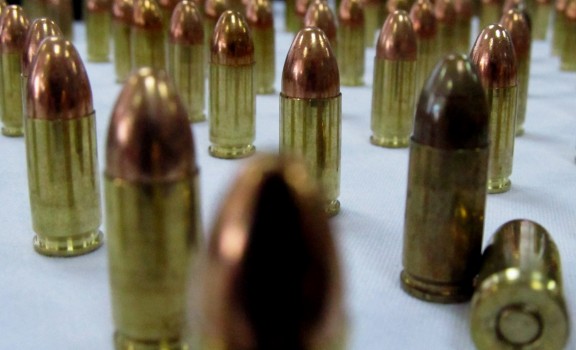
Once your ammunition for sale arrives, transferring it into proper ammo cans with active humidity control is the single most effective way to extend its shelf life at home. Military-style sealed metal or heavy-duty polymer cans block out light and physical contaminants, but the real killer is trapped moisture. Before sealing, add reusable silica gel desiccant packs or a rechargeable electric dehumidifier rod inside the can. This prevents condensation from temperature swings, which causes primer corrosion and powder degradation. Store Ammunition for Sale the sealed cans in a cool, dry, low-humidity closet or basement shelf—never directly on concrete floors. Check desiccants monthly and recharge them as needed; a dry interior preserves ballistic performance and reliability for decades.
- Use 50-gram silica gel packs per 50-round box to absorb residual air moisture.
- Open cans quarterly to refresh air and inspect for rust spots or green patina on primers.
- Replace desiccant immediately if humidity indicator cards show pink (over 40% RH).
- Keep cans off cold floors using wooden pallets or rubber mats to avoid thermal condensation.
Loading Magazines and Stripper Clips: Ergonomic Tips for Quick Range Use
When preparing your purchased rounds for rapid range work, prioritize a stable workstation to avoid dropped cartridges. For **loading magazines and stripper clips: ergonomic tips for quick range use**, press the round’s base flat against the follower, then push straight down—never at an angle—to prevent rim lock. Use your thumb pad, not the tip, to reduce fatigue during repeated strokes. For stripper clips, align the case rims fully into the grooves before thumbing them into an empty magazine; a firm, single push is faster than multiple weak ones. Keep your wrist neutral and rotate the magazine slightly toward your body to improve leverage.
- Grip the magazine with your non-dominant hand, cradling it near the feed lips.
- Slide each round fully onto the clip, verifying the rims are seated.
- Press the clip’s top round against the magazine’s rear edge, then thumb all cartridges down in one motion.
Troubleshooting Misfires and Duds: What to Do With Defective Cartridges
When a purchased round fails to fire, keep it pointed downrange for at least thirty seconds before ejecting it. This mitigates the risk of a hangfire, where primer ignition is merely delayed. If the primer indentation is light or absent, the issue is likely a faulty primer or firing pin strike; if the strike is deep but no bang occurs, the propellant or primer is defective. Do not attempt to disassemble a dud—return it to its 7mm Rem Ultra Mag Ammo for Sale box, labeled clearly, and contact the seller for replacement under their warranty. For live primers discovered later, safely contact your local law enforcement for disposal, never throwing them in trash or fire. Defective cartridge management hinges on patience and isolation, not force.
Q: What is the first step for a misfire?
A: Maintain muzzle discipline and wait 30 seconds before ejecting the round.
