The Thrill of the Game
The allure of high-stakes gambling is often rooted in the adrenaline rush associated with risk-taking. Players frequently experience a surge of excitement that can be both exhilarating and addictive. This dopamine release, triggered by the anticipation of winning, creates a pleasurable sensation that many gamblers actively seek. For those interested in exploring diverse gaming options, https://basswin-casinoo.uk/ offers a unique platform where the thrill is not just about winning; it’s about the experience itself, which can feel intoxicating.
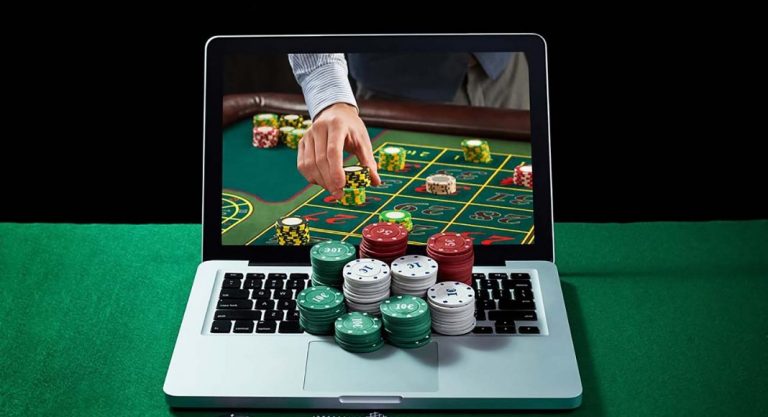
Additionally, the environment where high-stakes gambling takes place amplifies this thrill. Luxurious casinos, elaborate game setups, and the presence of other enthusiastic gamblers create an atmosphere that heightens emotions. The combination of sights, sounds, and social interactions makes it easy for individuals to lose track of their spending and time. Colorful lights flashing and the sound of coins clinking can create a euphoric experience that draws players deeper into the gambling world. This immersive experience engages not just the mind but also the senses, making it hard to resist the temptation of placing another bet.
Moreover, high-stakes gambling often involves significant financial investment, which can amplify the emotional stakes. The larger the bet, the greater the potential win or loss, intensifying the psychological impact. This phenomenon can lead to a cycle where gamblers chase losses, attempting to recover their funds through even riskier bets. In this way, the thrill becomes a double-edged sword; while it attracts players, it can also ensnare them in a potentially devastating cycle of behavior. The emotional push of both winning and losing can skew judgment, leading to decisions that may have long-lasting impacts on their lives.
The Role of Cognitive Biases
Cognitive biases play a crucial role in shaping the decisions of high-stakes gamblers, often leading them to irrational choices. One common bias is the illusion of control, where players convince themselves that they can influence the outcome of a game through their choices or strategies. This belief is particularly prevalent in skill-based games like poker, where players may think their skills can improve their odds against chance. However, the reality is that randomness plays a significant role. This bias can lead many to gamble beyond their limits, believing they have a better chance than they really do.
Another prevalent cognitive distortion is the gambler’s fallacy, where individuals believe that previous outcomes affect future results. For instance, a player might think that after a series of losses, they are “due” for a win, leading them to place larger bets in the hope of a turnaround. This misconception can result in escalating losses, further entrenching individuals in the gambling cycle. Recognizing these cognitive biases is critical for understanding the flawed reasoning that can drive high-stakes gamblers into increasingly precarious positions, often at the cost of their financial stability.
Additionally, high-stakes gamblers often exhibit confirmation bias, which leads them to pay attention only to information that supports their gambling beliefs. For example, they may focus on instances where they won large sums while conveniently ignoring the numerous losses they have incurred. This selective memory reinforces their gambling behavior and can lead them to underestimate the risks involved. By being aware of these cognitive biases, individuals can develop a more critical approach to their gambling, allowing for better decision-making and potentially less harmful gambling habits.
The Emotional Rollercoaster
The emotional journey of high-stakes gambling is complex and can be likened to a rollercoaster ride. Gamblers experience extreme highs when they win, often feeling invincible and on top of the world. These moments of success can lead to overconfidence, making them more likely to take bigger risks. Conversely, losses can invoke feelings of despair, frustration, and hopelessness. This contrast in emotions plays a significant role in the psychological landscape of high-stakes gambling, as players navigate between elation and anguish, often without a clear plan on how to handle these emotional extremes.
Moreover, the emotional toll of high-stakes gambling can create a cycle of dependency. When players experience a win, they may feel compelled to chase that feeling by continuing to gamble, believing that another win is just around the corner. Conversely, after a loss, they may gamble again in hopes of recapturing their previous success, leading to a vicious cycle. This rollercoaster of emotions can cloud judgment and make it difficult for gamblers to step back and assess the situation rationally. The highs can blind them to the reality of their situation, while the lows may drive them to recover their losses at any cost.
It’s also worth noting that the social dynamics of high-stakes gambling can amplify emotional experiences. Players often share their stories, victories, and losses with others, creating an environment of support but also pressure to continue gambling. This communal aspect can reinforce behaviors, as individuals feel encouraged to keep playing to maintain their status within a group. The interplay of individual emotions and social influences makes high-stakes gambling a uniquely challenging psychological endeavor, complicating the ability to recognize when it’s time to stop.
The Impact of Environment on Gambling Behavior
The physical environment of casinos and high-stakes gambling venues significantly influences player behavior and decision-making. Many casinos are designed to be alluring and disorienting, with bright lights, captivating sounds, and no windows or clocks. This environment serves to keep players engaged and distracted, allowing them to lose track of time and money. The lack of external cues diminishes self-awareness, ultimately leading to risky financial decisions. Players can easily find themselves gambling longer than intended, often without realizing the implications of their actions.
Moreover, the presence of large amounts of money in high-stakes games changes the dynamics of gambling. Players in these environments are often surrounded by others who share similar high-risk inclinations, further promoting a culture of risk-taking. This social setting can lead to a sense of camaraderie among players, where they reinforce each other’s behavior, making it even more challenging to recognize harmful patterns. The result is an environment that normalizes excessive gambling, making it harder for individuals to discern when they should stop and assess their financial situation.
Additionally, the psychological impact of wins and losses is magnified in high-stakes environments. Winning large sums can create a false sense of security, leading players to believe they have a winning strategy. On the contrary, losing significant amounts can lead to desperation, pushing individuals to gamble even more to recover their losses. This cyclical behavior is exacerbated by the stimulating environment, making it essential for players to develop awareness of how their surroundings influence their gambling habits. Understanding this relationship between environment and behavior is crucial for fostering responsible gambling practices.
Understanding Responsible Gambling
As the psychology of high-stakes gambling unfolds, it becomes essential to raise awareness about responsible gambling practices. Understanding one’s limits is paramount; individuals must educate themselves on how to gamble responsibly, taking into account the emotional and psychological factors at play. This includes setting strict budgets and time limits, ensuring that gambling remains a form of entertainment rather than a destructive behavior. By establishing these boundaries, players can enjoy the thrill without succumbing to the potential pitfalls of excessive gambling.
Incorporating self-awareness and emotional regulation techniques can also significantly mitigate the risks associated with high-stakes gambling. Players should regularly assess their emotions during gambling sessions, recognizing when the thrill turns into an unhealthy obsession. Support systems, including friends, family, or professional help, are vital for those who may struggle with gambling addiction. Open conversations about gambling habits can foster a healthier relationship with risk and reward, allowing individuals to enjoy their gaming experiences without losing control.
Lastly, awareness of resources, such as helplines and support groups, is crucial for those who may need assistance. Many organizations promote responsible gambling and provide tips and strategies for staying within limits. By understanding the psychology behind high-stakes gambling, individuals can make informed choices, leading to a safer and more enjoyable gambling experience. Recognizing the signs of problematic behavior early can help mitigate the impact of gambling on one’s life and ensure that it remains a fun and exciting venture.